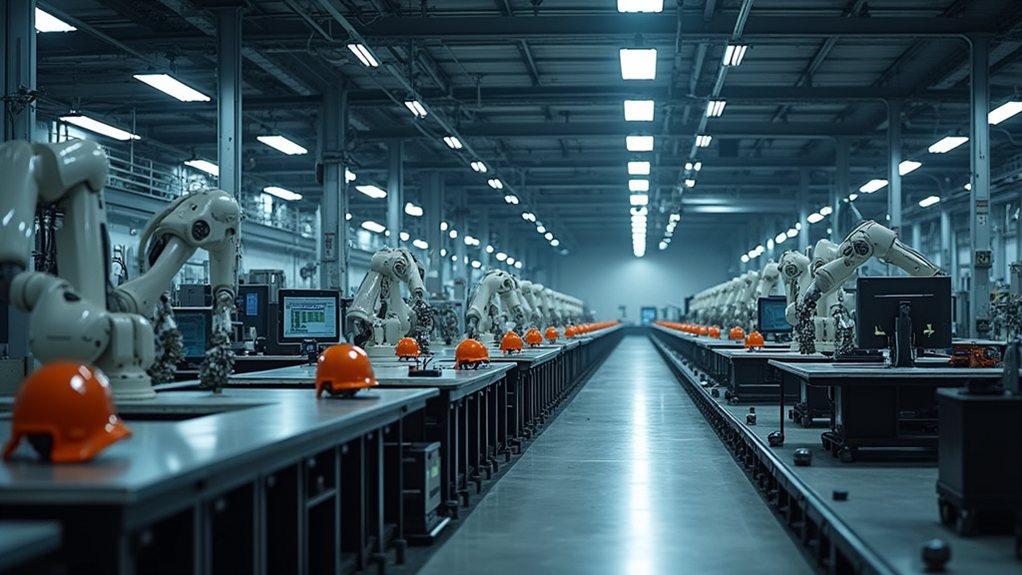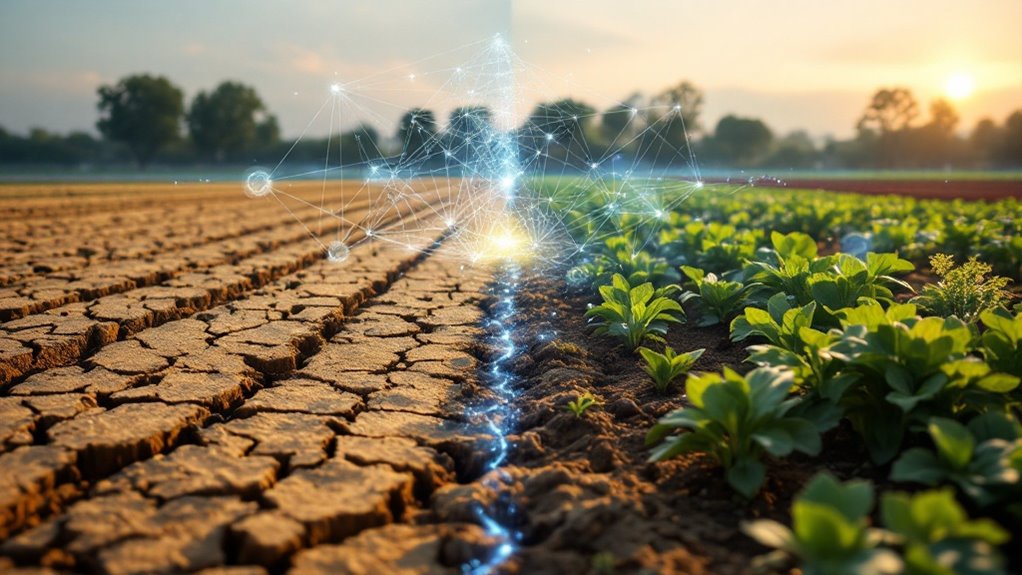

AI is revolutionizing environmental efforts across multiple fronts. Smart farming systems slash water usage while maximizing yields, while climate models crunch massive datasets to track emissions with unprecedented accuracy. In cities, AI optimizes everything from traffic flows to energy grids, reducing urban footprints. Conservation efforts benefit too, with algorithms tracking endangered species better than an army of field biologists ever could. Turns out the robots might actually help save the planet, not just take our jobs.
While technological innovation often comes with its own set of environmental challenges, artificial intelligence stands out as a rare tech development that might actually help us clean up our planetary mess. Unlike your smartphone that’s practically designed to be replaced every two years, AI systems are working overtime to make our relationship with Mother Earth a little less dysfunctional.
In agriculture, AI is transforming farms from resource hogs into models of efficiency. By analyzing soil data and optimizing irrigation, these smart systems reduce water usage while maximizing crop yields. They’re like the Marie Kondo of farming—keeping only what sparks joy (and growth) while eliminating waste. Early pest detection means farmers can be surgical with treatments rather than hosing down entire fields with chemicals. Companies like Farmwise are deploying AI robots that precisely remove weeds, significantly reducing the need for harmful herbicides.
AI is farming’s Marie Kondo—keeping only what grows while banishing waste from field to table.
Climate change doesn’t stand a chance when AI enters the chat. These systems crunch massive datasets to track greenhouse gas emissions and improve weather forecasting accuracy. AI has even become something of a methane detective, identifying leaks from oil and gas installations that might otherwise go unnoticed—because apparently what happens in the atmosphere *doesn’t* stay in the atmosphere. Advanced flood forecasting systems are now leveraging AI to predict water-related disasters and help communities prepare effectively.
Conservation efforts get a serious upgrade with AI assistance too. From tracking endangered species populations to mapping critical habitats, conservation organizations worldwide are employing these technologies to protect biodiversity. It’s like having thousands of field biologists working 24/7, except they never need coffee breaks.
In urban environments, AI is the invisible hand making cities smarter and greener. Traffic optimization reduces emissions, while smart energy systems minimize waste. Water management systems use AI to detect leaks before they turn into major problems—because nobody needs a surprise indoor swimming pool. However, it’s worth noting that each ChatGPT query uses approximately five times more electricity than a standard web search.
Perhaps most promising is AI’s contribution to the circular economy, enhancing recycling processes and extending product lifecycles. Through material sorting, demand forecasting, and supply chain transparency, these systems help close the loop on our take-make-waste habits.
The environmental data revolution powered by AI gives us unprecedented insight into our planet’s health—turning information into action before it’s too late.