AI is transforming society’s toughest challenges across multiple sectors. From scanning disaster zones to pinpoint rescue efforts, diagnosing diseases before symptoms appear, to monitoring illegal fishing worldwide—the applications are genuinely impressive. Educational platforms use AI to personalize learning while agricultural systems analyze weather patterns to boost crop yields. The key? Using these powerful tools responsibly and ethically. Stick around to discover how these technologies balance innovation with human-centered approaches.
While tech headlines often focus on AI’s potential to disrupt jobs or amplify social problems, a quieter revolution is taking place in labs and communities worldwide. Researchers and developers are harnessing artificial intelligence to tackle some of humanity’s most pressing challenges—without the dystopian vibes we’ve all come to expect from sci-fi movies.
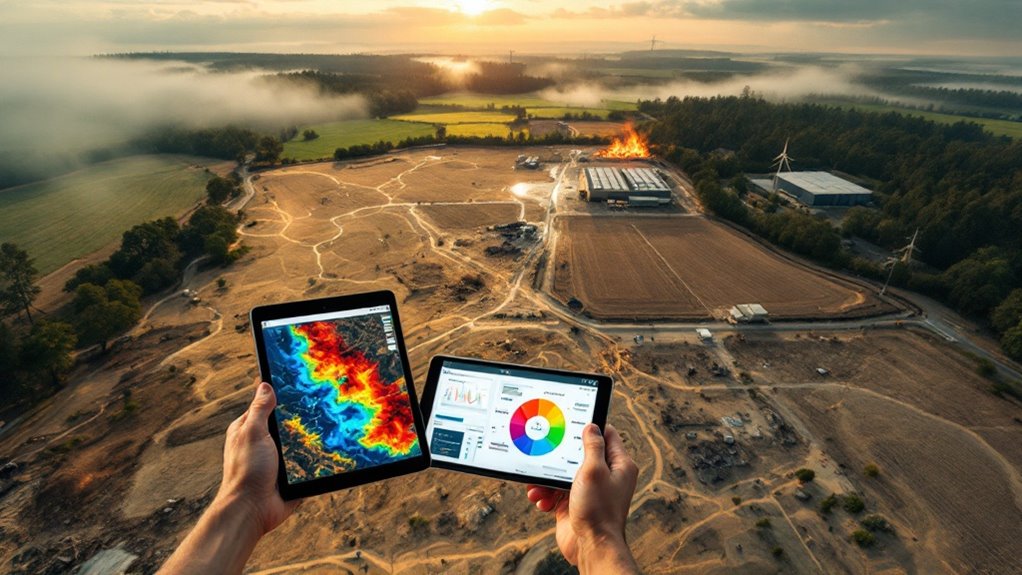
Consider crisis response, where every second counts. AI systems now scan satellite imagery after earthquakes and floods to quickly identify damaged infrastructure. Microsoft’s Azure Digital Twins—which sounds like something from *The Matrix* but is actually quite practical—guides first responders to available building entrances during emergencies. Stanford researchers are even using AI to map fuel moisture, predicting wildfires before they start spreading like, well, wildfire.
When disaster strikes, AI becomes our high-tech first responder, mapping damage and saving precious minutes when they matter most.
Healthcare has become a particularly fertile ground for AI innovation. Systems that diagnose cancer with accuracy that would make Dr. House jealous are becoming increasingly common. Companies like Check Eye and Cardio.AI are deploying artificial intelligence to improve diagnostics and monitor cardiac health. Google’s AI projects are predicting cardiac events before they happen—because prevention is better than a dramatic hospital scene.
Environmental protection efforts have also gotten an AI upgrade. Systems monitor global fishing to prevent the oceans from being emptied faster than a snack bowl at a Super Bowl party. Carbon Bright employs AI to address climate change, while satellite data helps map wildfires to optimize firefighter response. Google’s wildfire tracking systems provide accurate wildfire information to communities at risk, enabling faster evacuations and better resource allocation. With proper implementation, AI solutions could potentially reduce 2.6 to 5.3 gigatons of carbon dioxide emissions. However, these benefits must be balanced against AI’s own environmental footprint, which includes energy consumption and increased water usage in data centers.
In education, AI is personalizing learning experiences through platforms like Its Learnable and Languify, breaking down language barriers that once separated students from knowledge. Memory Lane Games uses AI to create cognitive stimulation tools that make learning feel less like a chore.
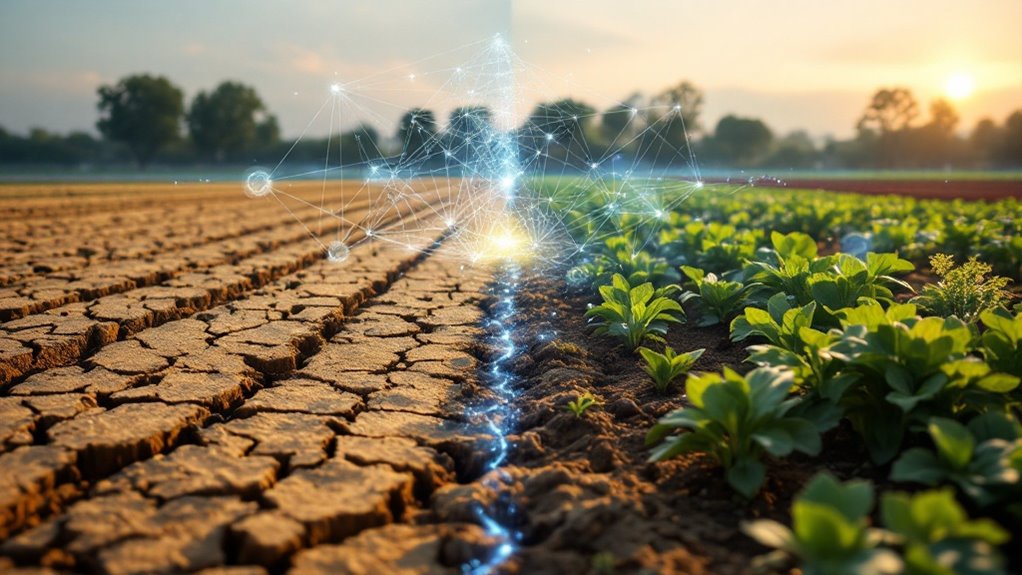
Food security initiatives leverage AI to analyze crop yields and weather patterns, helping farmers grow more food with fewer resources. Atlas AI provides data-driven insights to improve agricultural productivity, while predictive models help anticipate shortages before empty shelves cause panic.
These applications demonstrate that when deployed thoughtfully, AI can be a powerful force for good.